
Why Does My Diesel Engine Blow White Smoke When Accelerating?
White smoke puffing out of your diesel when you hit the gas isn’t just an ugly flex. It’s your engine dropping hints that something’s off.
Sometimes it’s harmless, like condensation burning off. Other times, it points to fuel, coolant, or injector drama that needs attention.
This guide breaks down why that smoke shows up, what it means for your ride, and the fixes that’ll save you from bigger headaches. Think of it as your cheat sheet for keeping your diesel strong and smoke-free.
Key Takeaway:
White smoke when accelerating usually means incomplete combustion or coolant entering the cylinders. It may be harmless condensation, but persistent smoke signals fuel, injector, timing, or coolant issues that need attention. Diagnose early to avoid costly engine damage.
What does white smoke from a diesel engine mean when accelerating?
It often signals unburned fuel, coolant leaks, or timing issues. Persistent smoke needs fixing to prevent engine damage.
What Does White Smoke from a Diesel Engine Mean?
White smoke isn’t your truck showing off, it’s a warning sign. Think of it as your engine’s way of saying something’s out of balance.
Most times, it’s unburned fuel slipping through the exhaust. That happens when combustion isn’t complete, usually from cold starts, bad injectors, or weak compression.
In other cases, white smoke means coolant is sneaking into the cylinders, often pointing to a leaky head gasket or cracked head. It’s one of those moments where understanding the advantages and disadvantages of diesel engines matters—yes, they’re powerful and efficient, but repairs like this remind you they have their downsides too.
Either way, steady white smoke under acceleration isn’t a flex. Catch it early and you’ll save your engine, your wallet, and your weekend plans. And just like learning what a flashing check engine light really means, paying attention early can make the difference between a quick fix and a major repair.
Common Causes of White Smoke When Accelerating
White smoke isn’t random. It usually points to one of a few culprits. Here’s the breakdown of what’s really happening under the hood.
Cold Starts
On chilly mornings, a puff of white smoke can be normal. The fuel doesn’t burn clean until the engine warms up. If it clears in a minute or two, you’re good. If it lingers, that’s a bigger story.
Faulty Fuel Injectors
Injectors are like bartenders for your engine, serving precise fuel shots. If they’re clogged or stuck, too much fuel enters the chamber. That extra fuel doesn’t burn, so it escapes as white smoke. The fix? Clean or replace the injectors before they trash your engine performance.
Low Compression
Diesels live on compression. If the cylinders can’t squeeze air tight enough, fuel won’t ignite fully. The result is half-burned fuel leaving your exhaust as a white haze. Worn piston rings or valves are common villains here. Compression tests will tell you the truth.
Coolant Leaks
If your exhaust smells sweet, that’s coolant gatecrashing the combustion party. Usually, it’s a blown head gasket, cracked block, or damaged cylinder head. Coolant mixing with fuel creates steam-like smoke. Ignore this and you risk overheating or a full engine meltdown.
Wrong Fuel Timing
Diesel engines need precise timing to light fuel at just the right moment. If the timing is off, the combustion cycle misfires. Instead of power, you get clouds of white smoke. Timing issues often creep in after DIY adjustments or wear in the injection pump.
Glow Plug Issues
Glow plugs are the warm-up crew for your diesel. When they fail, cold cylinders struggle to ignite fuel cleanly. That leads to visible smoke until the engine finally heats up. Replacing bad plugs usually solves this with minimal drama.
Bad Diesel Fuel
Not all diesel is created equal. Contaminated or low-quality fuel can throw off combustion. Water in the fuel is especially nasty — it lowers the burn temperature and creates steam. Running a fuel system cleaner or draining bad diesel can stop the smoke fast.
Turbocharger Problems
If your rig has a turbo, white smoke might mean it’s failing. A busted seal can let oil or coolant slip into the intake. Once inside, it burns off in the exhaust, making your smoke show even worse. Turbo rebuilds aren’t cheap, but they’re cheaper than ignoring the problem.
EGR System Faults
The exhaust gas recirculation system keeps emissions low. But when it clogs or leaks, it messes with the air-fuel mix. That imbalance can cause white smoke, plus a rough idle. Cleaning or repairing the EGR usually clears it up.
Warning Signs Beyond the White Smoke
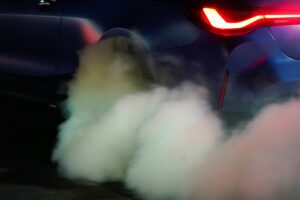
White smoke alone can be tricky, so watch for the side effects. A sweet smell from the exhaust usually screams coolant leak. Hard starts or rough idling point toward compression or injector issues.
Keep an eye on your temperature gauge — overheating often tags along with coolant problems. Loss of power while accelerating is another red flag that combustion isn’t happening cleanly.
Bottom line: if the smoke hangs around and these symptoms show up, your engine isn’t just having a “moment.” It’s asking for help before something bigger breaks.
How to Diagnose the Problem Yourself
Start simple. Let the engine idle and note if the smoke clears as it warms up. If it disappears, cold-start quirks were likely the cause.
Next, do a sniff test. Sweet-smelling exhaust means coolant. A strong diesel odor points to unburned fuel. Either way, you’ve narrowed the field.
Check the coolant and oil levels. Rising coolant loss or milky oil means a gasket or head issue. No changes? Move to the injectors — inspect them for leaks or odd spray patterns.
If you’ve got the tools, run a compression test. Low numbers signal worn rings or valves. Finally, check for stored trouble codes with an OBD scanner.
None of this requires a PhD in mechanics, just patience and basic gear. The more clues you collect, the better your odds of spotting the real culprit before it snowballs into major repairs.
Fixes and Solutions for White Smoke
If white smoke only shows up on cold starts, new glow plugs or a longer warm-up may solve it. For injector problems, cleaning or replacing them restores proper fuel spray and clears the haze.
Coolant leaks are bigger. A blown head gasket or cracked head needs professional repair fast, before it kills the engine. Timing issues can be handled by adjusting or recalibrating the injection pump.
Bad fuel? Drain the tank, swap filters, and refill with quality diesel. If the turbo’s leaking oil or coolant, rebuild or replace it before it fails completely.
Bottom line: quick fixes exist, but long-term health means tackling the root cause, not just hiding the smoke.
Prevention Tips to Avoid White Smoke in the Future
Stick to quality diesel and change filters on schedule — cheap fuel is a smoke starter. Warm up your engine before heavy throttle, especially in cold weather. Service injectors and glow plugs regularly so combustion stays clean.
Keep an eye on coolant and oil levels to catch leaks early. Don’t ignore small puffs that linger. Regular maintenance isn’t just about reliability, it’s your cheat code to keeping that exhaust clear and your diesel running strong.
When to See a Mechanic
If the smoke hangs around after warm-up, it’s not a quick fix. Persistent clouds usually mean serious issues like coolant leaks, failed injectors, or low compression. Strange smells, overheating, or power loss are your cue to call in a pro.
A mechanic has the tools to confirm what’s failing before it snowballs into engine damage. Bottom line: if your diesel looks like it’s vaping full-time, it’s time for expert hands on the job.
Conclusion
White smoke from your diesel isn’t just a cosmetic problem, it’s your engine waving a red flag. Sometimes it’s harmless condensation, other times it’s fuel, coolant, or timing drama waiting to cost you big.
The key is knowing the difference. Spot the early signs, run a few quick checks, and tackle small fixes before they snowball. And when things look serious, don’t hesitate to call a pro. Stay on top of maintenance, and your diesel will repay you with power, reliability, and smoke-free drives.