
Tire Balance vs Alignment: What Drivers Need to Know
Ever felt your car pulling to the side or your steering wheel shaking like it’s got the jitters? That’s where tire balance and alignment step in. They sound similar, but they solve totally different problems.
Balancing keeps your ride smooth by making sure weight is spread evenly around each wheel. Alignment, on the other hand, makes sure your tires actually point where they should.
This guide breaks down both in plain English, so you’ll know when you need one, the other, or both. Think of it as the difference between a fresh haircut and straightening your tie—small tweaks, big impact.
Key Takeaway:
- Tire Balancing fixes vibrations by correcting uneven weight in wheels.
- Wheel Alignment fixes steering and tire wear by adjusting suspension angles.
- Balancing = smooth ride. Alignment = straight tracking.
- Both improve safety, extend tire life, and save fuel.
What’s the difference between tire balancing and alignment?
Tire balancing fixes vibrations from uneven weight; alignment fixes steering and tire wear by adjusting suspension angles.
What Is Tire Balancing?
Tire balancing keeps your wheels from acting like a washing machine on spin cycle. Every tire and rim combo has small weight differences, and those imbalances can make your steering wheel shake and your ride feel rough.
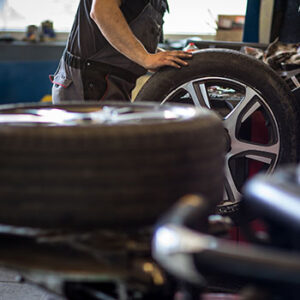
To fix it, shops use a machine that spins each wheel to find the heavy spots, then add small weights to even things out. It’s a simple process, but the difference on the road feels major. And just like asking can you mix nitrogen and regular air in tires, the answer is yes—but it reduces the full benefits of nitrogen.
Balanced tires roll smoother, wear evenly, and save you from that jittery steering wheel. Think of it as fine-tuning your wheels so your car feels sharp, not sloppy. If your car starts buzzing at highway speeds, getting them balanced is the cheat code you need.
How Tire Balancing Works
Balancing starts with your wheels mounted on a special machine that spins them fast. The machine detects where weight is uneven, kind of like spotting the “heavier side” of a record. Small weights are then clipped or stuck onto the rim to cancel out those imbalances. The process is quick, painless, and makes a big difference. It’s like adjusting your headphones so the sound feels perfectly balanced on both sides.
Why Tire Balancing Matters for Your Car
Unbalanced tires don’t just make your ride shaky, they also chew through rubber faster. That means uneven wear, less grip, and money wasted on early replacements. Balance keeps the steering wheel steady, improves comfort, and even saves you gas. In short, it’s a small service that pays off with smoother drives, longer tire life, and fewer headaches down the road.
What Is Wheel Alignment?
Wheel alignment is all about keeping your tires pointed in the right direction. Over time, potholes, curbs, and everyday bumps can knock your suspension slightly out of place. When that happens, your wheels no longer sit at the perfect angles they should.
Alignment checks three main things: camber (tilt of the wheels), toe (inward or outward angle), and caster (the steering pivot). A mechanic adjusts these settings so the tires line up straight with the road. And just like knowing the cost of tire balancing, understanding alignment helps you keep your car safe, smooth, and efficient on every drive.
Why does it matter? Misaligned wheels make your car pull to one side, wear your tires unevenly, and waste fuel. Proper alignment means better handling, longer tire life, and a car that feels smooth and precise. It’s the difference between dragging your sneakers sideways and walking clean and straight.
How Wheel Alignment Works
Wheel alignment uses precision tools to adjust the angles of your tires so they meet the road correctly. Mechanics measure camber, toe, and caster to see how far things are off. Then they tweak your suspension to bring everything back in line. The process is exact, not guesswork, and usually done on a specialised rack. Done right, your car stops pulling to one side and feels sharper on the steering.
Why Proper Alignment Is Essential
Poor alignment means your tires fight the road instead of working with it. That creates uneven tread wear, sloppy handling, and wasted fuel. Proper alignment, on the other hand, keeps your steering true, extends tire life, and saves money over time. It’s not just about comfort, it’s about safety and efficiency every time you drive.
Key Differences Between Tire Balancing and Alignment
Balancing and alignment often get mixed up, but they solve different problems. Tire balancing deals with the wheel-and-tire assembly itself. If your steering wheel shakes at highway speeds or your car buzzes like it had an energy drink, you probably need a balance. It’s about correcting weight differences using small wheel weights.
Alignment is bigger picture. It adjusts suspension angles so your tires sit and roll straight on the road. Signs of bad alignment include your car pulling left or right, uneven tread wear, or a steering wheel that feels off-centre.
In short, balancing smooths out vibrations, while alignment corrects steering and tire wear. Think of balancing as fine-tuning your headphones and alignment as setting up the whole sound system. Both keep your ride smooth, but in different ways.
Signs You Need Tire Balancing
If your steering wheel shakes once you hit highway speeds, that’s the classic sign of unbalanced tires. You might also feel vibrations through the seat or floor, depending on which wheels are off. Another red flag is uneven tire wear, where one spot looks more worn than the rest. Sometimes, you’ll notice your tires getting noisier as the imbalance worsens. The fix is simple, and waiting only makes it worse. If your car feels jittery or rough at certain speeds, a quick balance check is likely the cure.
Signs You Need Wheel Alignment
If your car constantly pulls left or right when the wheel is straight, your alignment is likely out. Another sign is uneven tire wear, like the inside edges looking bald while the rest looks fine. A crooked steering wheel, even when you’re driving straight, is another giveaway. You might also notice your car feels sloppy or less responsive in corners. Alignment issues sneak up slowly, so drivers often ignore them until handling feels sketchy. Catching it early saves your tires and restores that crisp, controlled steering feel.
How Tire Balancing and Alignment Affect Safety & Performance
Balancing and alignment aren’t just comfort upgrades, they’re safety moves. Balanced tires prevent vibrations that can throw off your steering feel, making your car easier to control. Alignment, meanwhile, keeps all four tires gripping evenly so your car tracks straight. Skip either service and you risk poor handling, longer braking distances, and tires wearing out way too fast. Both also play into fuel efficiency, since your car isn’t wasting energy fighting itself. Together, balancing and alignment keep your ride smooth, predictable, and safe. It’s the difference between cruising confidently and wrestling your car down the highway.
Cost Comparison: Tire Balancing vs Alignment
Tire balancing is usually the cheaper fix, often running between $20 and $50 per tire. Alignment, on the other hand, costs more since it requires specialised equipment and labour, typically between $75 and $150 for a full service. The price can jump higher for trucks, luxury rides, or if suspension parts need adjusting. While balancing is more of a quick tune-up, alignment is an investment in tire life and handling. Both services pay off by saving you money in the long run, since they prevent early tire replacements and fuel waste.
How Often Should You Balance and Align Tires?
Balancing is recommended every 5,000 to 6,000 miles, or whenever you rotate your tires. If you start feeling vibrations at certain speeds, get it done sooner. Alignment doesn’t follow a set mileage but should be checked once a year or anytime you hit a nasty pothole or curb. New tires are also the perfect moment to get both services done. Staying consistent keeps your ride smooth, safe, and fuel-efficient.
DIY vs Professional Service: What’s Worth It?
Balancing isn’t realistic to DIY unless you’ve got a shop-grade machine in your garage. Alignment is even more technical, requiring laser-guided racks and precise measurements. While YouTube hacks look tempting, getting it wrong can ruin tires fast. Professional service costs more upfront but guarantees accuracy and peace of mind. It’s money well spent.
Tips to Extend Tire Life & Reduce Service Frequency
Keep your tires inflated to the right pressure, since under or overinflation speeds up wear. Rotate them regularly so all four share the workload evenly. Drive smooth—hard braking and curb kisses can throw off both balance and alignment. Keep an eye on tread depth and catch issues early. The cleaner you keep your wheels, the less buildup messes with weight distribution. Small habits like these stretch tire life and reduce how often you need balancing or alignment.
When to Get Both Services Done Together
The best time to pair balancing and alignment is when you install new tires. You’ll start fresh with smooth rotation and perfect angles. It’s also smart after suspension repairs or if you’ve had a serious pothole moment. And while you’re at it, knowing when tire need replacement ensures you’re not driving on worn-out rubber that compromises safety and performance.
Conclusion
Tire balancing and alignment might sound like shop talk, but they’re the backbone of smooth, safe driving. Balancing handles the little shakes, alignment keeps your car running straight. Skip them, and you’ll pay more in worn tires, sloppy handling, and wasted gas. Stay ahead by recognising the signs early and keeping up with routine checks. It’s not just about comfort, it’s about control and confidence behind the wheel. Think of it as keeping your ride sharp, stylish, and road-ready every mile.