
Why Do My Brake Lights Stay On When Car Is Off?
So your brake lights won’t quit, even after the car’s off? Annoying, yeah, but also draining your battery while you sleep.
It’s not some spooky wiring mystery. Usually it’s a simple issue like a sticky switch, misaligned pedal, or wiring snag.
The fix? Figure out the culprit early so you’re not calling a jump-start guy tomorrow. This guide breaks it down into quick checks and easy solutions, so you can get back to driving without your car glowing like a Christmas tree in the driveway.
Key Takeaway
- Brake lights staying on usually point to a faulty switch, pedal stopper, or wiring issue.
- Ignoring it drains your battery and risks electrical damage.
- Quick checks: inspect the switch, pedal stopper, wiring, and light housing.
- Many fixes are cheap DIY jobs, but wiring faults often need a mechanic.
- Prevention: keep pedals clean, replace stoppers, and check connections regularly.
Why do my brake lights stay on when the car is off?
Brake lights that stay on after shutdown usually mean a faulty switch, worn pedal stopper, or wiring issue causing the circuit to stay live.
What It Means When Brake Lights Stay On
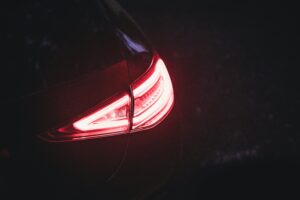
If your brake lights are glowing after you’ve turned the car off, it’s not just random. It usually means the brake light switch is stuck or misaligned, keeping the circuit live.
Sometimes it’s a worn rubber stopper under the pedal that crumbled away, leaving the switch exposed. Other times, it’s electrical gremlins like a short or bad wiring.
Either way, it’s a heads-up that something’s off. If you’ve ever wondered why does my car turn off when I brake, ignoring the issue can quickly drain your battery. Catch it early, and it’s usually a cheap, quick fix.
Common Causes of Brake Lights Staying On
Faulty Brake Light Switch
The brake light switch sits near the pedal and tells your lights when to turn on. If it’s faulty or stuck, the signal never shuts off. That’s why your lights glow long after you’ve parked. Replacing the switch is usually straightforward and affordable, so this is often the first thing mechanics check.
Misaligned or Stuck Brake Pedal
Sometimes the issue isn’t the switch itself but how the pedal rests against it. If the pedal doesn’t spring back fully, the switch thinks you’re pressing the brakes nonstop. This can happen if the pedal is stiff, dirty, or worn out. Cleaning and lubricating the hinge, or adjusting the return spring, often solves it.
Worn or Missing Pedal Stopper
There’s a small rubber or plastic stopper under your brake pedal that cushions contact with the switch. When that piece crumbles or falls off, the switch is left exposed. The result? Your car assumes your foot is always on the brake. Luckily, replacements are cheap and easy to install, even as a DIY fix.
Electrical Short or Wiring Problem
If your wiring has frayed or shorted out, the brake light circuit might stay powered even when the switch isn’t engaged. Electrical gremlins like this can be tricky since the issue could hide anywhere in the harness. A mechanic can test the circuit with a multimeter to track down the exact fault.
Dirty or Stuck Brake Light Switch Plunger
Over time, dirt and dust can build up around the switch plunger. If it sticks in the “pressed” position, the lights stay on. Sometimes all it takes is a quick clean and re-lubrication to get it moving freely again. Ignoring it could cause more stress on the switch and wiring.
Aftermarket Accessories Interfering
Ever installed a remote starter, alarm, or LED light kit? If the wiring wasn’t done cleanly, those add-ons can backfeed power into your brake light circuit. It’s not super common, but if your lights started acting up right after an install, the accessory might be the culprit.
Moisture or Corrosion in the Circuit
Moisture sneaking into connectors can cause corrosion or bridging that keeps the circuit live. This is more likely if your car’s older or has been through wet conditions. Checking the fuse box and wiring connections for rust or greenish buildup can help spot this issue.
Faulty Rear Light Assembly
Sometimes the brake light housing itself is the problem. A cracked lens or damaged bulb socket can create a short that keeps the lights glowing. If you’ve already ruled out the pedal and switch, inspecting the tail light assemblies is a smart next step.
Sticking Brake Pedal Return Spring
The spring that pulls your brake pedal back into place can weaken or break over time. When it doesn’t snap back, the switch stays engaged and your lights don’t shut off. Replacing the spring is a quick, low-cost fix that can save you bigger headaches later.
Battery or Fuse Issues
While less common, a weak battery or incorrectly rated fuse can cause weird electrical behaviour, including brake lights that won’t turn off. It’s worth double-checking both if the usual suspects don’t pan out.
Warning Signs Beyond the Lights
Brake lights that won’t turn off aren’t the only clue. You might notice a weak or dead battery after leaving the car parked overnight. Sometimes the brake pedal feels soft or doesn’t spring back like it should. A burning smell from overheated bulbs or wiring is another red flag.
You could even spot flickering dashboard lights or weird electrical glitches, since the constant draw messes with your system. Catching these signs early saves you from bigger repairs. If your car feels “off” in more ways than glowing lights, it’s time to check things out.
How to Diagnose the Problem
Start simple: press and release the brake pedal. If the lights stay on, peek under the pedal to see if the stopper or switch is damaged. A missing rubber stopper is an easy visual catch.
Next, test the brake light switch. Disconnect it and check if the lights go off. If they do, the switch is your culprit. If not, you’re likely dealing with wiring.
Grab a flashlight and inspect the tail light housing for cracks, corrosion, or melted sockets. Finally, check fuses and your battery health.
You don’t need to be a pro mechanic for these basics. Spotting the issue early helps you know whether it’s a DIY quick fix or shop-worthy repair.
Fixes and Solutions
If the brake light switch is faulty, replacing it usually solves the problem. A missing pedal stopper? Pop in a new rubber piece and you’re good. For sticky pedals, a clean and a dab of lube works wonders—just like tackling the common causes of squeaky brakes and quick fixes before they turn into costly repairs.
Electrical shorts or corroded connectors may need rewiring or replacement parts. If aftermarket gadgets are messing with the circuit, tidy up the install or remove the add-on. Cracked tail light housings or damaged sockets should be swapped out to prevent repeats. The goal is simple: restore the brake system so the lights only shine when you actually brake.
Prevention Tips
Keep the brake pedal area clean and free of debris so nothing jams the switch. Inspect the pedal stopper every few months, since they wear out faster than you think. Avoid sloppy wiring when adding accessories, and check connectors for corrosion after rainy seasons. A quick glance at your tail lights when parking is an easy habit. Staying proactive saves both your battery and your weekend plans.
When to See a Mechanic
If you’ve swapped stoppers, cleaned the switch, and your brake lights still act haunted, it’s time for pro help. Wiring issues and electrical shorts aren’t worth guessing on. A mechanic can test the circuit, confirm the fault, and fix it fast. Don’t wait until your car won’t start—get it checked before the battery’s toast.
Conclusion
Brake lights that stay on after the car’s off might look minor, but they signal deeper issues. From worn stoppers to faulty switches or hidden wiring gremlins, the causes vary but all deserve attention. Ignoring it drains your battery and risks bigger repairs.
The good news? Many fixes are simple and cheap if you catch them early. Keep an eye out for warning signs, stay on top of quick inspections, and don’t hesitate to get help when needed. Your lights should work for you, not against you.