
Brake Warning Signs Every Driver Should Know
Your brakes help protect you, your passengers, and everyone sharing the road. Recognizing the usual signs of brake problems early can help you schedule service before your car’s performance declines. Drivers throughout Blaine, Big Lake, Becker, and the St. Cloud area trust Motor Works Auto Repair to identify signs of brake problems and keep their vehicles operating safely in all seasons.
Why Healthy Brakes Are Essential for Vehicle Safety
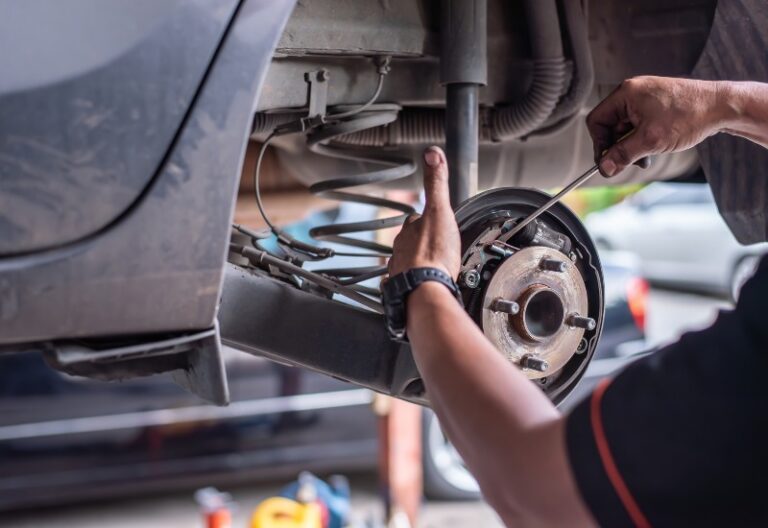
Brakes allow drivers to slow down, stop, and respond to changing traffic conditions with confidence. Every trip depends on reliable braking performance, whether you’re commuting to work or traveling across Central and Northern Minnesota. Regular brake inspections help support consistent stopping power and smooth vehicle control. In addition, properly maintained brakes can contribute to a more comfortable driving experience for you each day.
Common Signs of Brake Problems Every Driver Should Know
Many brake concerns begin with small warning signs. These signs may be hard to spot at first. However, they’re critical indicators of possible brake issues:
- Squealing Noises – High-pitched sounds during braking often indicate wear. A brake inspection can determine the cause and help maintain consistent stopping performance.
- Grinding Sounds – Grinding may signal increased brake component wear. Prompt service helps maintain braking performance and protect related components.
- Soft Brake Pedal – A pedal that feels less responsive may indicate a braking system concern. Drivers should schedule an inspection as soon as possible.
- Vehicle Pulling – If your vehicle shifts to one side while braking, inspection is recommended. Uneven braking performance can affect vehicle control.
- Dashboard Warning Light – Brake system alerts should be evaluated by a qualified technician. These reminders are designed to help drivers address concerns early.
- Vibration During Braking – Shaking or pulsing may point to worn or uneven brake components. Professional diagnostics can identify the source of the issue.
Common Causes of Brake Problems
Brake systems are used regularly, and several factors can affect their performance over time. Understanding these common causes will help you stay proactive with your vehicle’s maintenance:
- Normal Wear – Brake pads gradually wear as they create friction during stops. Regular inspections help track their condition over time.
- Heavy Traffic Driving – Frequent braking can increase component wear because of repeated use. Many daily commuters experience this type of wear pattern.
- Road Conditions – Seasonal weather and changing road surfaces can affect brake system performance. Minnesota drivers often encounter varying conditions throughout the year.
- Postponed Maintenance – Routine inspections help identify wear before it progresses further. Scheduled service supports long-term brake health.
- Heat Exposure – Brakes generate heat during operation. Consistent maintenance helps ensure reliable performance and proper component function.
- Aging Components – Parts naturally wear over time and benefit from regular evaluation. Replacing worn components helps maintain smooth braking.
What Happens If You Ignore Brake Problems?
Small brake concerns often become more noticeable with continued driving. Reduced braking performance can affect stopping distances and vehicle control. In addition, worn components may place added stress on other parts of the braking system. The reason is that brake components work together to deliver smooth, predictable operation. Addressing concerns early supports safety, comfort, and long-term vehicle reliability.
When Should You Schedule a Brake Inspection?
Brake inspections should be part of your routine vehicle maintenance plan. Scheduling service is a good idea whenever you notice unusual sounds, vibrations, warning lights, or changes in braking feel. Many drivers also benefit from annual brake inspections or evaluations during regular maintenance visits. These inspections can help prepare vehicles for changing road conditions throughout Minnesota.
Tips to Extend the Life of Your Brakes
A few simple driving habits can help extend the life of brake components. Consistent maintenance is important, alongside these best practices:
- Maintain Safe Following Distance – Extra space allows for smoother braking and fewer sudden stops. This can help reduce unnecessary stress on brake components.
- Brake Gradually – Gentle braking can help reduce wear on brake pads and rotors. Consistent driving habits support longer component life.
- Limit Excess Weight – Carrying unnecessary cargo increases demands on the braking system. Lighter loads can help reduce braking strain.
- Schedule Inspections – Regular evaluations help identify wear before service becomes urgent. Small adjustments today can support long-term performance.
- Follow Maintenance Recommendations – Manufacturer guidelines provide useful service intervals. Staying current with maintenance helps keep systems operating properly.
- Address Concerns Promptly – Early attention helps maintain consistent brake performance. It can also support the longevity of related components.
How We Help Keep Your Brakes Performing Safely
Reliable brakes are important for every drive, from local errands in Blaine and Big Lake to longer trips across Central and Northern Minnesota. Motor Works Auto Repair provides professional brake inspections and repairs for domestic, Asian, and European vehicles. Our ASE-Certified Technicians use advanced diagnostic equipment to evaluate brake performance and recommend appropriate maintenance. With locations serving communities across the region, quality brake care is always nearby. Schedule now or find your local shop today.
Frequently Asked Questions
Can I Ignore Brake Problems?
It’s in your and your vehicle’s best interests to address brake concerns as soon as possible. Early inspection helps maintain braking performance and allows technicians to identify worn components before additional maintenance becomes necessary. Regular service supports safe and reliable vehicle operation throughout the year.
How Often Should Brakes Be Inspected?
Brake inspections are commonly recommended at least once a year or during routine maintenance visits. Drivers who regularly commute, travel long distances, or encounter heavy traffic may benefit from more frequent inspections. Consistent evaluations help keep the braking system performing as intended.
When Should I Schedule a Brake Repair Service?
Schedule a car brake repair service whenever you notice unusual sounds, brake warning lights, vibrations, a soft pedal feel, or changes in stopping performance. These changes can be dangerous to drive with and can indicate serious underlying issues. Professional inspections can determine the best maintenance schedule for your vehicle and address any brake problems.