
Why Does My Car Squeak When I Brake? Causes & Fixes
Hear that squeak when you hit the brakes? It’s not just annoying, it’s your car dropping hints. Sometimes it’s harmless, like dust on the pads. Other times it’s your ride saying, “Hey, something’s off.”
Ignoring it could mean bigger headaches later, like worn parts or safety risks. The good news? Most squeaks aren’t mysteries, they’ve got pretty simple causes and fixes.
This guide breaks it all down in plain English, so you’ll know when to chill and when to get it checked. Think of it as your cheat sheet for quiet, stress-free stops.
Key Takeaways
- Brake squeaks signal issues from dust to worn pads.
- Common causes: worn pads, debris, glazing, rust, cheap pads, poor lubrication, loose parts.
- Warning signs beyond squeaks: vibrations, soft pedals, warning lights, pulling.
- DIY checks: listen, look, test stops, feel the pedal.
- Fixes: replace pads, resurface rotors, clean debris, lubricate, tighten hardware.
- Prevention: regular checks, quality pads, clean wheels, avoid riding brakes.
- See a mechanic if squeaks persist, pedals pulse, or warning lights appear.
Why does my car squeak when I brake?
Brake squeaks often mean worn pads, debris, glazing, or loose parts. Early fixes prevent costly damage and keep your brakes safe.
What It Means When Your Car Squeaks While Braking
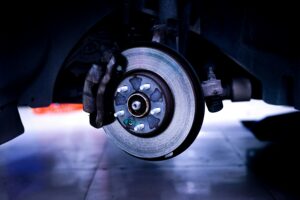
That squeak isn’t just random noise, it’s your car talking. Sometimes it’s as harmless as brake dust building up. Other times, it’s your brake pads hinting they’re wearing thin.
A high-pitched squeal at low speeds often means your brake wear indicators are doing their job. They’re basically alarms built into the pads, warning you it’s time for a swap.
If the squeak shows up every stop, it could point to glazed pads or rotors. That happens when heat builds up and smooths the surfaces, making them noisy.
Bottom line: squeaks aren’t always a crisis, but they’re never something to ignore. If you’ve ever asked yourself why does my car stall when slowing down or stopping, getting to the cause early helps you avoid bigger repairs and keeps your stops smooth and safe.
Common Causes of Squeaky Brakes
Worn Brake Pads
Brake pads aren’t forever. They’re built with wear indicators that squeal when the pads get thin. That high-pitched sound is your early warning system, basically saying, “Swap me before metal grinds metal.”
If you ignore it, you’ll end up with metal-on-metal contact. That not only makes the squeak unbearable but also damages your rotors. And just like figuring out what drains your car battery when parked, the longer you leave it unchecked, the bigger the bill at the shop.
Dust and Debris
Sometimes the culprit is way less dramatic. Dust, dirt, or even a tiny pebble stuck between the pad and rotor can make a squeak. It’s annoying, but usually temporary once things shake loose.
If the noise fades after a few stops, it was likely just debris. If it sticks around, you’ll want a mechanic to check it out. Small stuff can snowball into bigger issues if left too long.
Glazed Pads and Rotors
Ever slammed the brakes hard and felt that burnt smell? That heat can glaze the pads or rotors, leaving them with a smooth, shiny finish. Smooth might sound good, but here it just means noisy.
Glazed surfaces squeal because there’s less grip and more vibration. Light resurfacing or pad replacement usually fixes the issue. Think of it like refreshing sneakers with worn-out soles.
Moisture and Rust
Morning squeaks after rain or a wash? That’s just surface rust. When your car sits overnight, moisture can coat the rotors, forming a thin rust layer. The first few stops scrape it off, and the squeak usually disappears.
If the sound doesn’t fade, though, it’s worth a closer look. Consistent squealing could mean more than just a rainy-day effect.
Low-Quality Brake Pads
Not all pads are created equal. Cheap ones often use harder materials that squeak more, even if they’re brand new. Sure, they save you cash upfront, but you’ll pay for it in noise and faster wear.
Upgrading to higher-quality pads with better materials can make a world of difference. Think of it as swapping scratchy earbuds for noise-canceling headphones. Smooth, quiet, and worth it.
Lack of Lubrication
Brakes rely on more than just pads and rotors. The caliper slides and backing plates need proper lubrication. When these dry out, they create friction points that squeak.
A little high-temp brake grease in the right spots can silence the noise. Skip it, and you’ll deal with squeaks that no Spotify playlist can drown out.
Loose or Misaligned Parts
Sometimes the noise isn’t from wear at all. Loose shims, clips, or even slightly misaligned pads can vibrate and squeak. These tiny parts keep your braking system snug and quiet.
If they shift out of place, the squeak shows up as a constant background track. A quick adjustment or replacement usually solves the issue.
Warning Signs Beyond the Squeak
A squeak is your car’s way of saying “listen up,” but it’s not the only signal. If you feel vibrations in the pedal, that could mean warped rotors. A soft or spongy pedal often points to air or fluid issues in the brake lines.
Warning lights on the dash? That’s your car being extra clear something’s off. And if your ride pulls to one side when braking, you might be dealing with uneven pad wear or caliper trouble. Bottom line: squeaks are the intro, but the supporting cast of signs matters just as much.
How to Diagnose the Problem Yourself
Start simple: listen. Note when the squeak happens—only at low speeds, after rain, or every stop. Timing tells you a lot.
Next, take a peek through your wheels. If you spot thin pads or uneven rotor wear, that’s a clue. Surface rust on the rotor? Normal, as long as it disappears after a short drive.
Try a few test stops in a safe spot. If the noise changes with harder braking, the issue may be pad wear or glazing. If it stays constant, it could be loose parts or cheap pads.
Also, feel the pedal. Pulsing means rotor issues, while a spongy feel suggests fluid or line problems. These checks won’t replace a mechanic, but they’ll give you a head start. Think of it as your DIY cheat code before handing the keys to the pros.
Fixes and Solutions
If your pads are worn, the fix is simple: replace them before they chew up your rotors. Got glazed pads or rotors? A quick resurface or swap will usually bring silence back.
For debris or rust, sometimes just driving clears it up. If not, a mechanic can clean and inspect the setup. Cheap pads causing the drama? Upgrade to quality ones with better materials.
Lubrication issues? Adding high-temp brake grease to slides and clips usually does the trick. And if parts are loose or misaligned, tightening or replacing the hardware solves it fast. Bottom line: most squeaks have straightforward fixes, and the earlier you handle them, the less cash you’ll burn.
Prevention Tips to Avoid Future Squeaks
Stay ahead of squeaks with regular brake checks, especially before long trips. Don’t cheap out on pads—quality ones run quieter and last longer.
Keep your wheels clean to prevent dust buildup, and don’t ignore strange pedal feels or warning lights. A little brake grease during pad changes keeps parts moving quietly.
Try not to ride your brakes constantly, since heat leads to glazing. And if you hear a new noise, check it early instead of waiting. Prevention isn’t complicated—it’s just staying a step ahead so your car stays safe, quiet, and smooth on every stop.
When to See a Mechanic
If your brakes squeak once in a while, it’s not always urgent. But if the sound sticks around, it’s worth booking an inspection. Constant squealing, grinding, or pulsing pedals mean something bigger is brewing.
Also, pay attention to warning lights or if your car pulls to one side. Those are signs you shouldn’t ignore. If you’re unsure, err on the safe side. A mechanic can quickly spot the issue and prevent it from snowballing into costly repairs. Think of it as protecting both your wallet and your safety before things get out of hand.
Conclusion
Squeaky brakes aren’t just random noise—they’re your car’s way of sending clues. From worn pads to moisture or cheap parts, the causes are usually easy to track down.
The good news? Most fixes are straightforward if caught early. Whether it’s swapping pads, cleaning rotors, or tightening loose hardware, staying proactive saves you stress and cash.
So, don’t treat squeaks like background noise. Listen, diagnose, and act before the problem grows. A quiet stop isn’t just about comfort, it’s about safety. Handle it now, and your car will thank you with smooth, drama-free braking every time.